What is colorectal cancer and who is at risk?
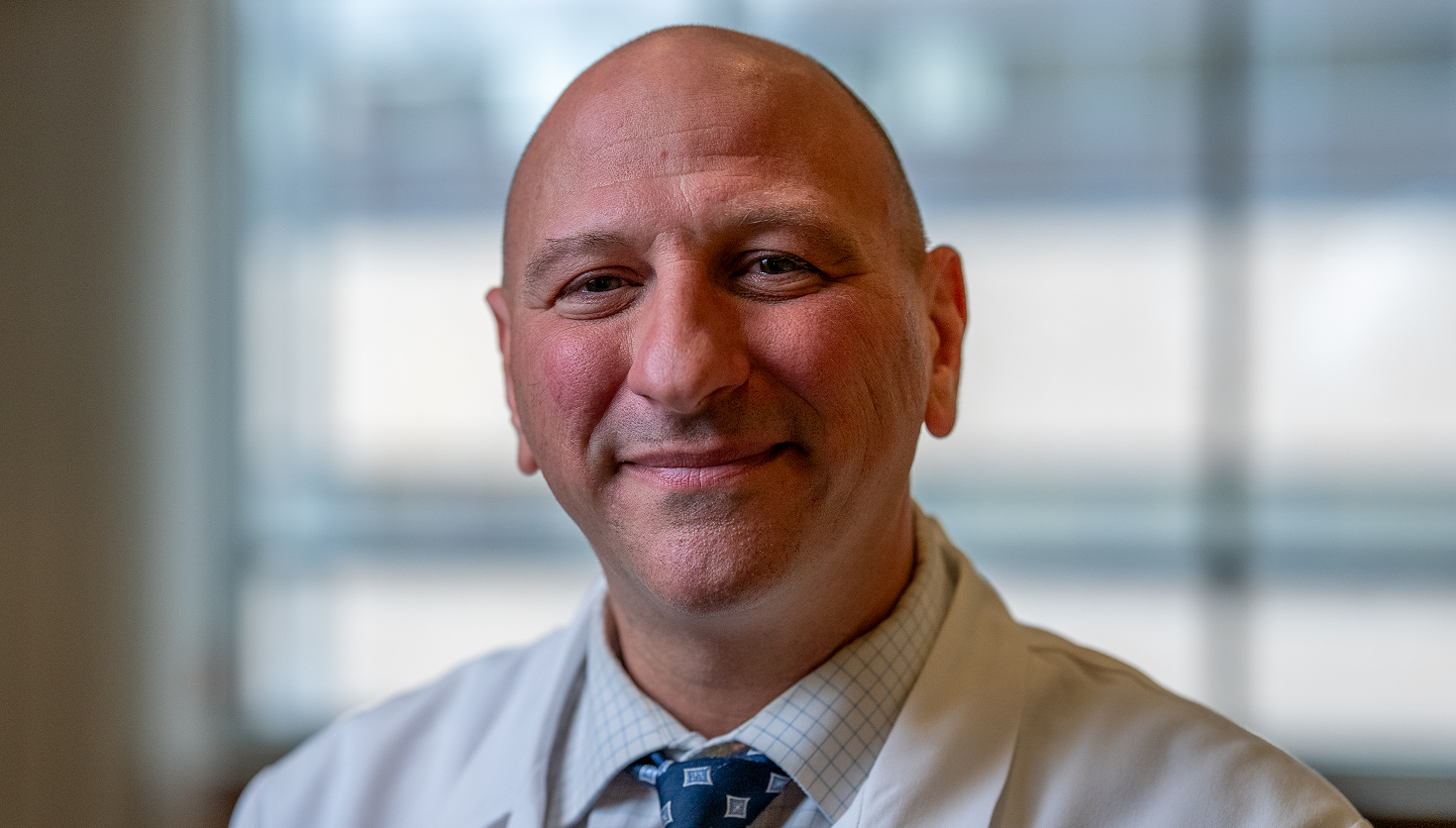
Dr. Michael A. Valente, DO, FACS, FASCRS
The Department of Colorectal Surgery and The Digestive Disease and Surgery Institute at Cleveland Clinic
Colorectal cancer is one of the most common cancers diagnosed in the United States and worldwide. While the diagnosis can be scary, the good news is that it is also one of the most preventable and treatable forms of cancer—if caught early.
In this video, Dr. Michael A. Valente from the Cleveland Clinic breaks down why regular screening is vital, what to look for, and why a colonoscopy is your best line of defense.If you or a family member are diagnosed with cancer, with Carrum Health’s cancer care benefit, you can receive treatment at Cleveland Clinic—nationally ranked as one of the top hospitals in the country. This benefit is designed to provide expert care at little or even no out-of-pocket cost, allowing you to focus on recovery rather than medical bills.
Video Transcript
Dr. Michael A. Valente: Colorectal cancer is the third—depending on how you read it, the second or third—most common cancer in the United States of America, and worldwide it’s increasing as well.
Who’s at risk for colorectal cancer? Every single person that has a colon and a rectum is at risk for colorectal cancer. We say that kind of jokingly, but it’s true. I get asked this question: “Who needs a colonoscopy?” Every single patient, every single person out there that has a colon and a rectum needs to have a colonoscopy.
So, what is colorectal cancer? Like any other cancer, it’s an abnormal growth—a tumor—a collection of cells that are dividing and replicating and make a mass or a tumor. Most colon cancers come from a thing called a polyp. A polyp, like I said, is a pre-cancerous growth inside the colon. It happens over time. It increases as we get older, and that’s why we recommend colonoscopy starting at age 45.
Colon cancer, when caught early during a colonoscopy, can be treated completely and cured with just the colonoscopy. But it’s when it grows deeper or larger into the colo-rectum wall that it becomes a little bit more difficult to treat and usually requires surgery at that time.
Colorectal cancer is extremely treatable. It’s one of the cancers that over the last 30 to 40 years, we’ve actually decreased the amount of colon cancer being found because of colonoscopies. However, when we do find the cancer, depending on the stage—Stage 1, 2, 3, or 4—it depends upon treatment options.
In general, early-stage colon cancers are very curable; they require surgery. As you move to a little bit more advanced, like later-stage colon cancer, it’s still very treatable and curable, but it requires a little bit more extensive treatment, such as chemotherapy, possible radiation therapy, and then surgery.
But if caught early, it’s extremely curable. Life expectancy could be normal or near-normal if caught early and treated properly. The best way to find that out is by screening colonoscopy. And of course, if someone has symptoms such as rectal bleeding, or blood in the stool, change in bowel habits, weight loss—things like that—those are red flags that you should talk to your provider about getting a colonoscopy.
